My Best Friend - Dog Walking App
My Best Friend aims to refine its UX research and complete the UI design for a mobile platform connecting dog owners with local walkers. Focused on flexibility and ease of booking, the design ensures a seamless transition from the app to real-world pickups. Through user research, wireframing, and testing, the project prioritizes an intuitive experience, keeping users engaged while simplifying the booking process.
Role
Industry
Duration
Stage 1. Usability Audit
Conducted a comprehensive usability audit of the existing product, combining heuristic evaluation, user interviews, and performance data to identify key friction points.
This surfaced critical issues across:
Navigation clarity and structure
Goal tracking usability
Social engagement and interaction
These insights established a clear foundation for redesign priorities.
Stage 2. Design Strategy
Defined a redesign strategy focused on simplifying user flows, improving data visibility, and strengthening community-driven features.
A structured design roadmap was developed to:
Reduce complexity across key journeys
Improve accessibility and clarity of information
Introduce features that encourage ongoing user engagement
The outcome was a more cohesive and scalable product direction across both app and web.
Stage 3. Prototype Development
Wireframing: Redesigned core screens and user flows based on audit findings, with a focus on intuitive navigation and goal-oriented interaction.
The updated structure reduced cognitive load and created a clearer path for users to complete key actions.
High-Fidelity Prototyping: Developed detailed, interactive prototypes in Figma to bring the new experience to life.
These prototypes demonstrated improved usability, clearer hierarchy, and more engaging interactions across the product.
User Interface Design: Refined the visual identity to better align with the brand and target audience.
This included:
A more vibrant and engaging colour system
Updated iconography tailored to user expectations
A cleaner, more consistent interface
The result was a product that feels both more intuitive and more motivating to use.
Seamless Booking & Real-World Integration
The app ensures an effortless transition from scheduling a walk to the actual dog pickup and handoff. By reducing decision fatigue with a streamlined booking process, the design keeps users engaged while maximizing convenience.
My Role
As the UI lead, I focused on creating an engaging and functional design while incorporating feedback from fellow designers. My responsibilities included:
Desk Research & User Interviews
Concept Development & Wireframing
User Testing & UI Optimisation
The Challenge
How do we create an app that makes finding a reliable dog walker easy and stress-free? The solution: A seamless, flexible UI that allows dog owners to book a walker anytime, ensuring their pets get the care they need, when they need it.
Other projects
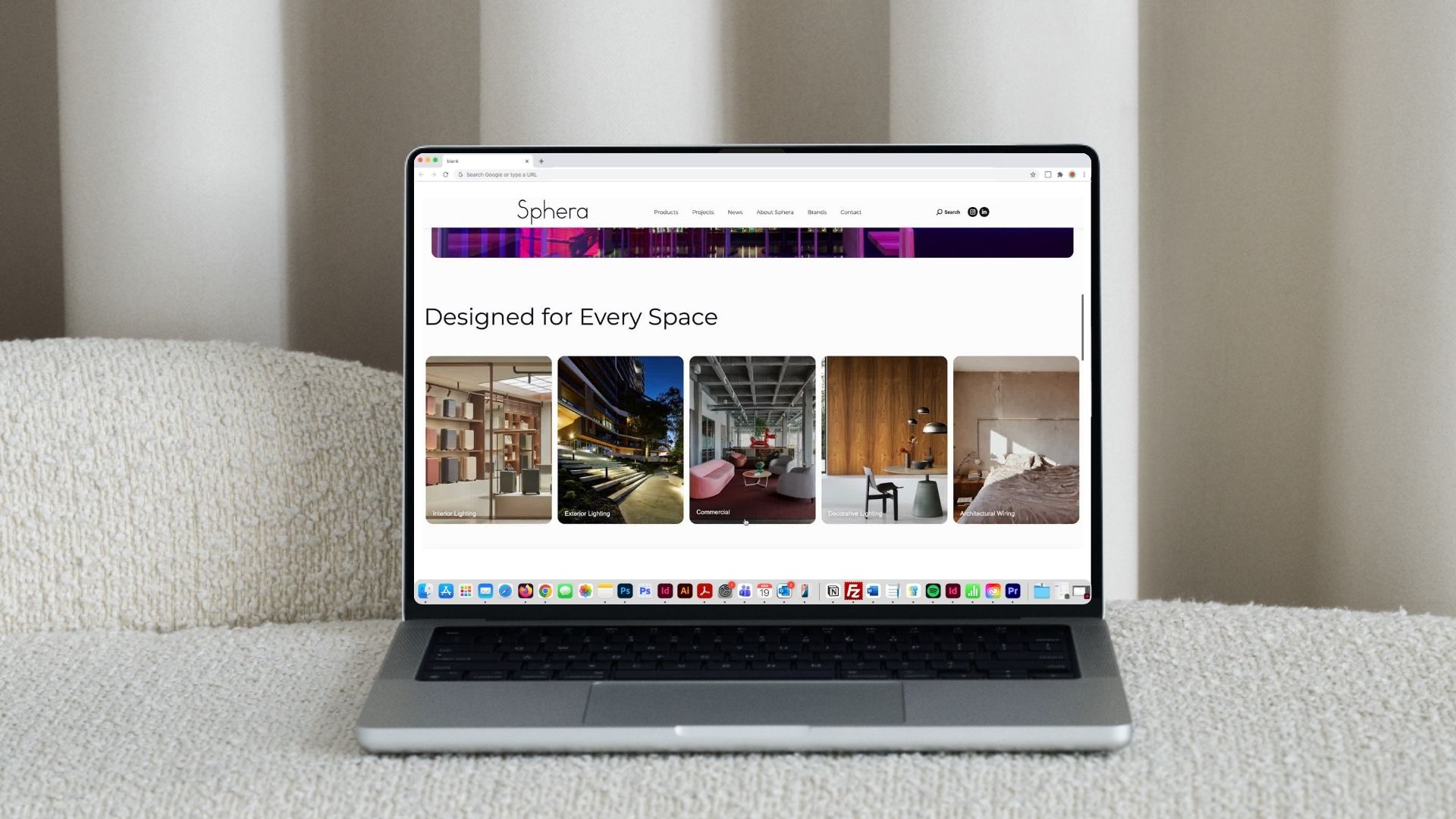
Sphera Update
Redesigned and optimised the Sphera website to improve user experience, visual hierarchy, and performance — resulting in increased engagement, clearer navigation, and a more cohesive digital presence.

Facelift for Tex.inc
I undertook the role of revitalising a website by infusing it with visually appealing and user-centered designs. My responsibilities included breathing new life into the site's aesthetic, ensuring an engaging user experience, and ultimately providing it with a much-needed facelift.
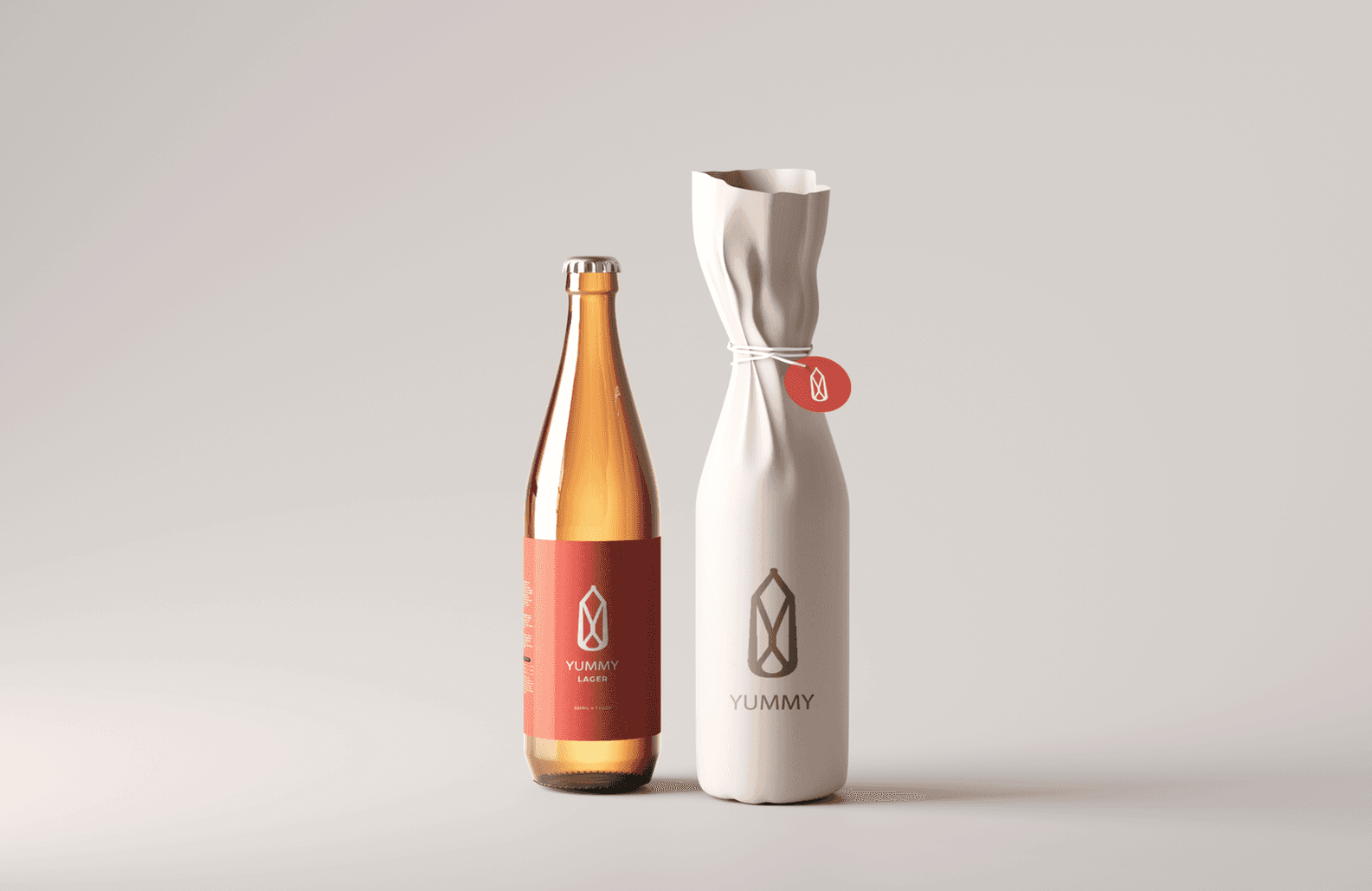
Yummy Beer
The Yummy craft beer mockup features a unique bottle-shaped logo, bold matte packaging, and sustainable materials, capturing the brand’s passion for brewing excellence and environmental stewardship.
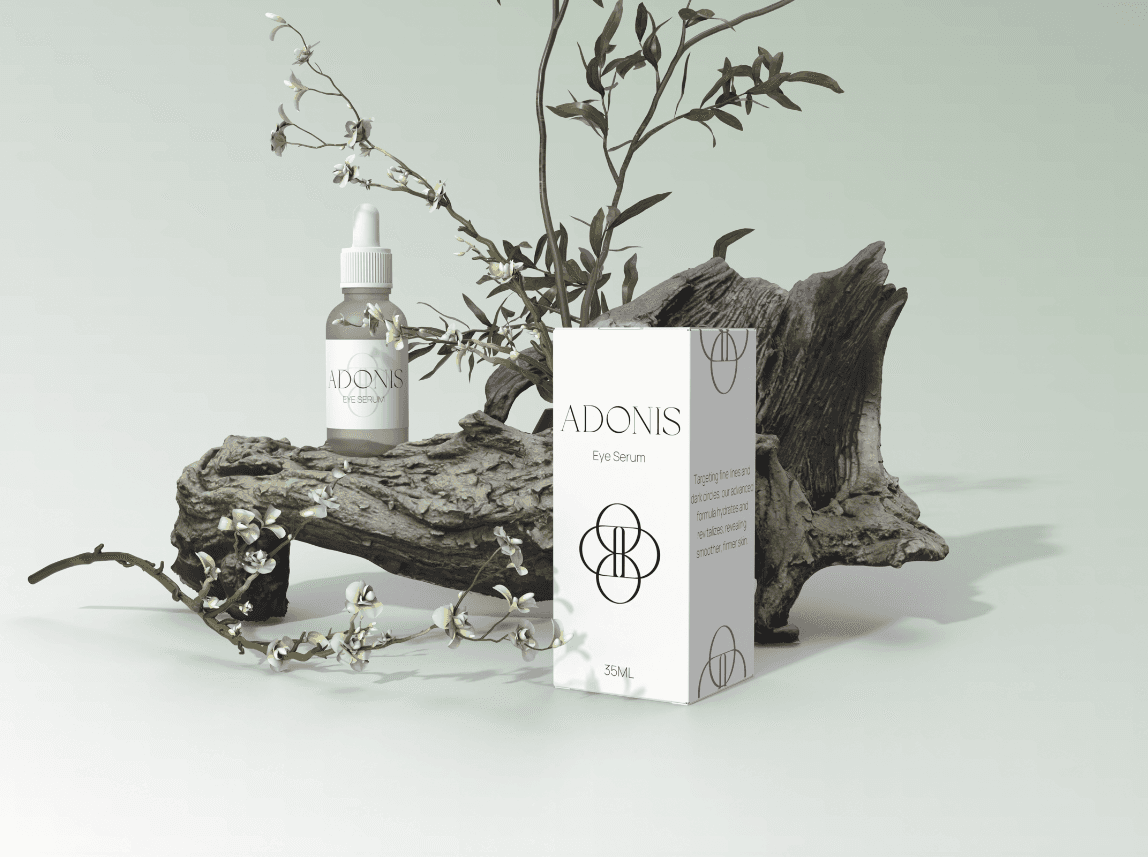
Adonis
Mockup Beauty Product Design : The ADONIS mockup blends luxury and nature, embodying refined masculinity through minimalist branding, earthy tones, and sustainable packaging.
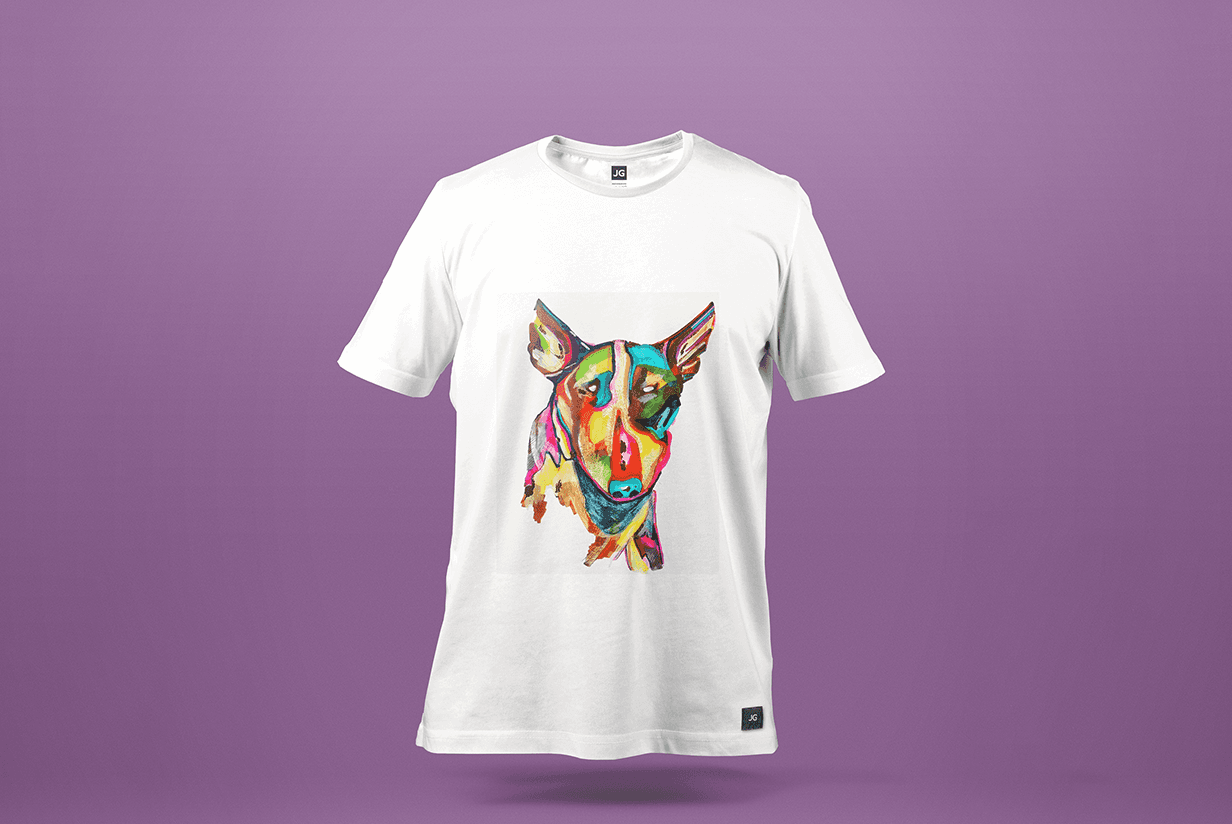
JG
JG’s vibrant T-shirt designs are more than fashion—they’re a bold statement of creativity and defiance. Born during Melbourne’s lockdown, each design celebrates resilience, using bright graphics and striking colors to symbolize strength and perseverance.